News Details

Why GT?
- Adhek Amerta
- December 4, 2005
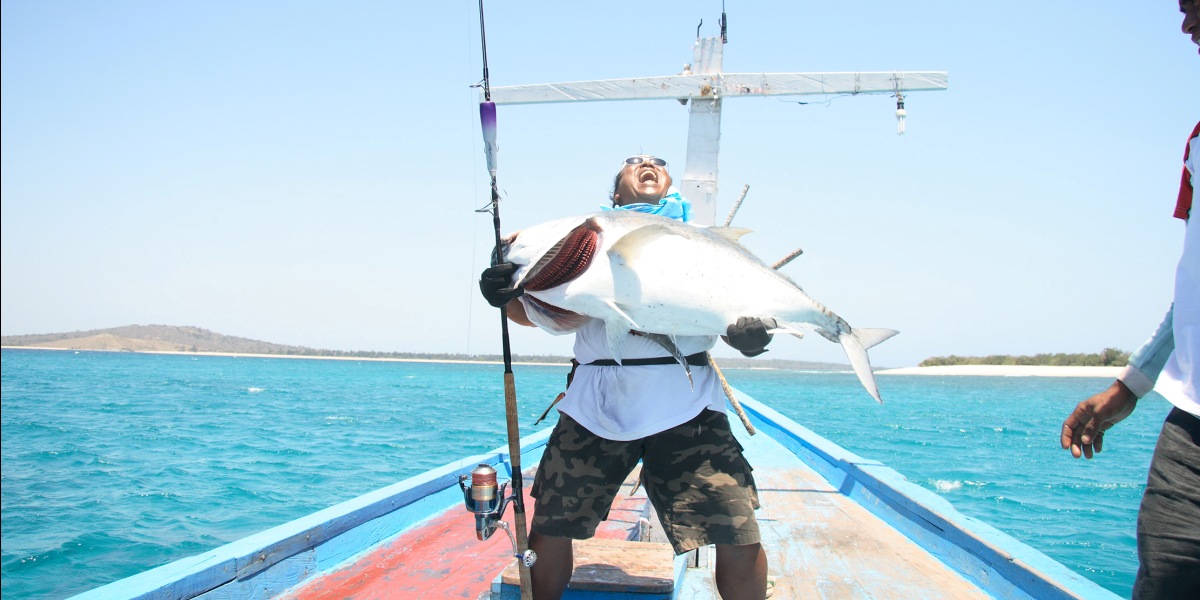
GT is one of the toughest fighting fish. This species is known for diving into coral structures in an attempt to break the fishing line. Like other apex predators, GT is extremely powerful, possesses remarkable stamina to endure prolonged battles, and is capable of swimming at high speed for extended periods to free itself from the hook.
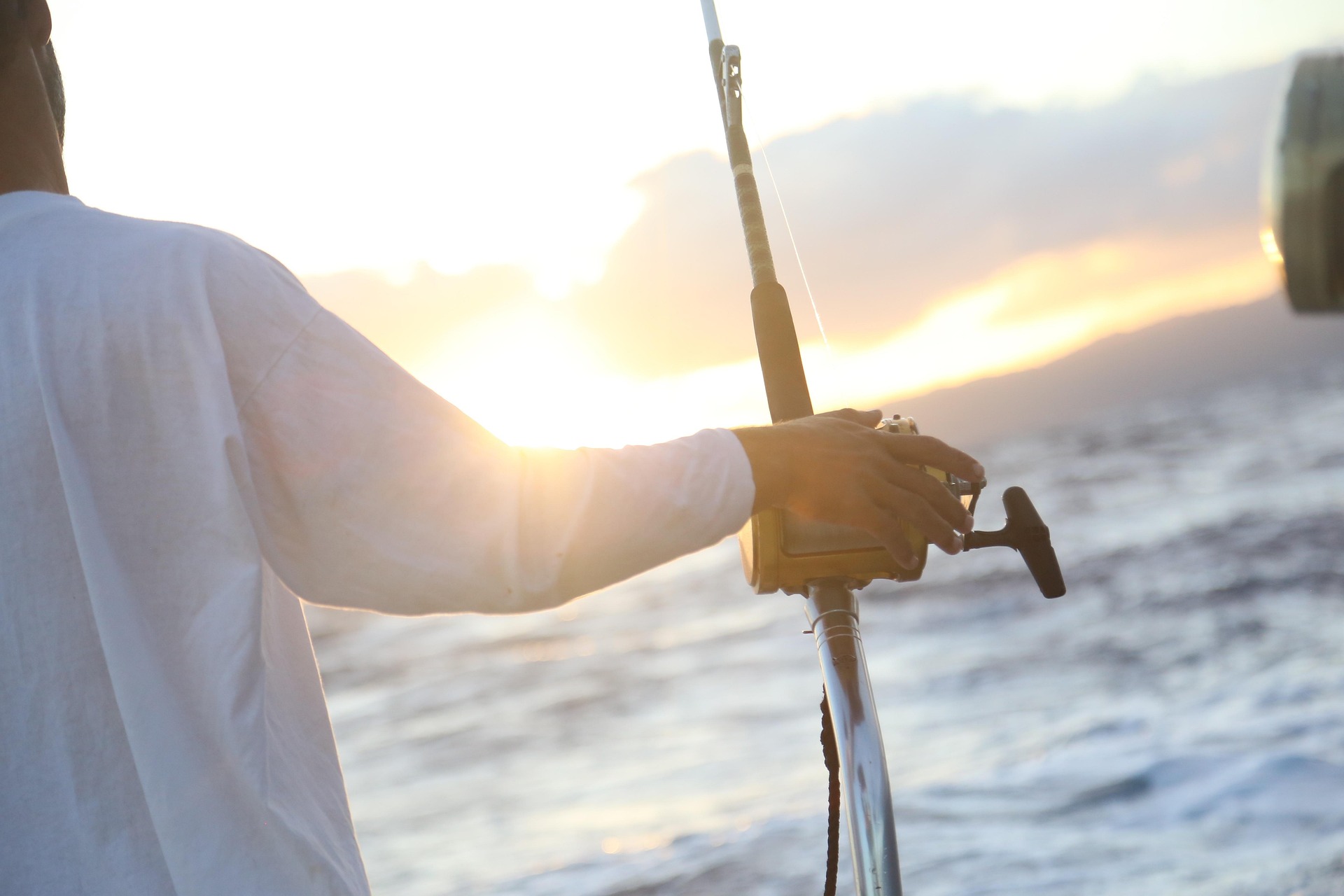
Hunting GT, filled with thrilling adventure, has become one of the most popular fishing activities in recent years. Once an angler experiences the surge of adrenaline and the pounding heartbeat triggered by the explosive strike of a GT attacking a popper on the surface, he will inevitably become addicted to the one-on-one battle—regardless of how much energy is drained in each encounter with this magnificent fish.
Caranx ignobilis (Forskål 1775), commonly known as the Giant Trevally, kuwe gerong, or bobara, is a species inhabiting shallow marine waters and can be found year-round. For this reason, anglers do not need to venture far offshore to find GT; they can often be located in shallow waters, particularly in areas sheltered from human activity, where coral formations are abundant and currents are strong. In depths as shallow as five meters or down to 100 meters, anglers may encounter this “monster” fish, which according to Peter Goadby can reach weights of up to 80 kilograms.
Indonesia offers numerous fishing destinations that are highly regarded among world-class GT hunters, including Nusa Penida, Lombok, Komodo Islands, Alor, Rote Island, and the Takabakang atoll cluster in South Sulawesi. Certainly, many other regions across Indonesia serve as habitats for this remarkable creature, though they have yet to be fully explored as GT hunting grounds, whether inshore or offshore.
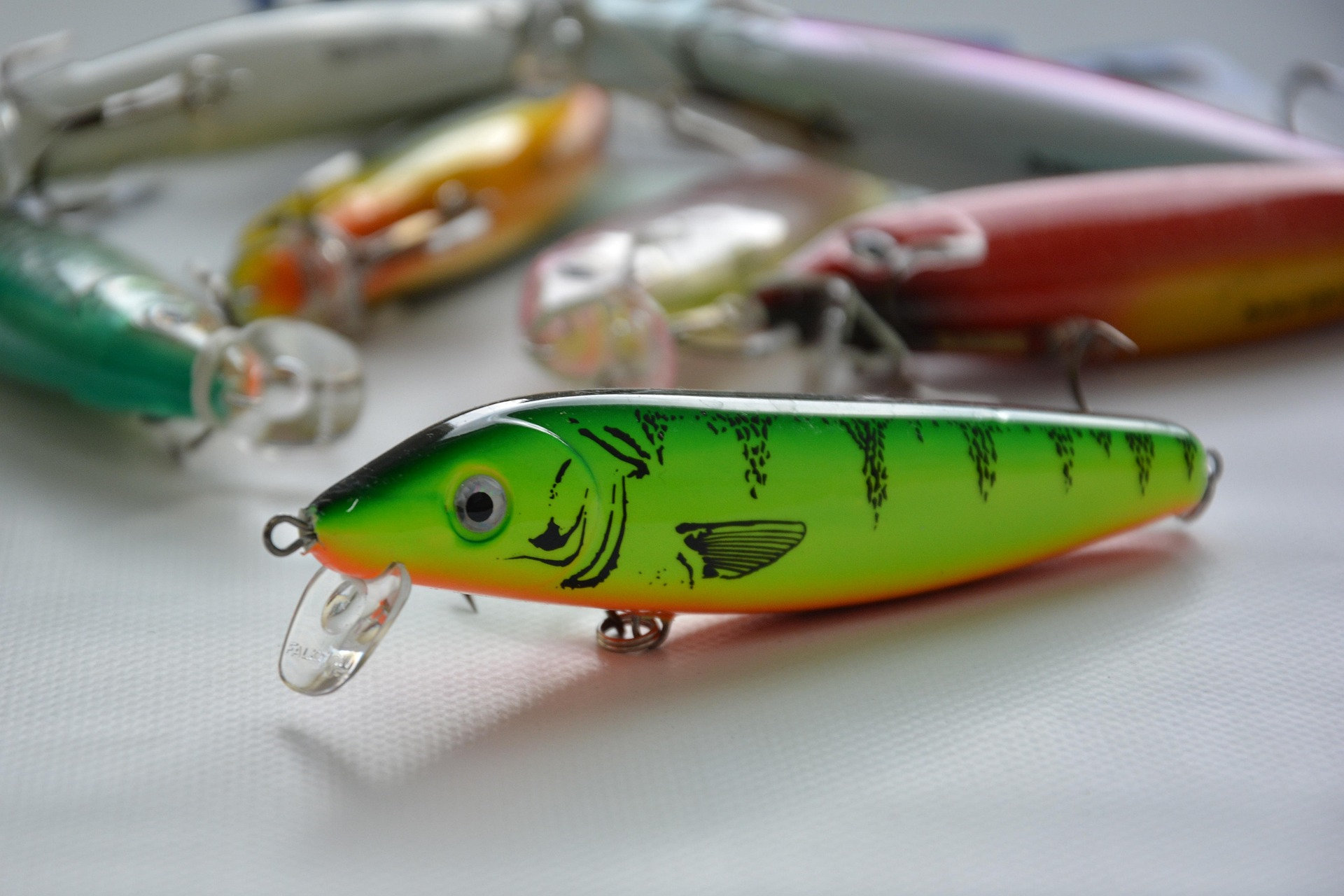
Modern anglers typically use casting techniques with poppers made of wood, aluminum, or polybalsa to pursue GT. This method, known as popping, originated in Australia but developed rapidly in Japan.
In Indonesia, the popping technique was introduced and developed by Adhek Amerta from Bali approximately a decade ago. In recent years, its popularity has grown significantly, and poppers are now widely available in fishing stores throughout the country.
(HM Ismeth)

Adhek Amerta
About AuthorI am a professional fishing guide, a pioneer of popping techniques, and one of Indonesia’s leading sport fishing enthusiasts based in Bali. I also actively share fishing tips and techniques through social media and my personal blog.