News Details

Tsunami Bali
- Adhek Amerta
- December 4, 2005
The tsunami tragedy that struck this region also gave rise to several unusual incidents during the writer’s visit to Bali, Indonesia. Among them was the sudden appearance of a group of mysterious giants—rarely recorded before—that emerged aggressively just a day prior to the catastrophe. This extraordinary phenomenon raised many questions for the writer: could it possibly have been connected to the natural disaster that followed?
On December 24, 2004, a day before Christmas and two days before the tsunami tragedy, I, together with Ah Fatt, Phang, Kuan, Chia Wen, and Hoe, departed for Indonesia’s renowned tourist destination—Bali.
At the time, rumors were circulating that authorities and tourists should remain alert, as another terrorist bombing might strike Bali ahead of Christmas. However, we were not overly concerned. Our sole purpose was to tame the giant “aya budak” (dogtooth tuna) that reportedly ruled Bali’s waters.
Our greater worry was that fishing boats might be fully booked during the festive season.
Although Bali had once been shrouded in tragedy that claimed hundreds of lives, we felt relatively safe—so long as we did not wander aimlessly like typical tourists. To ensure our safety, we planned to return directly to the hotel after fishing each day. Thankfully, no unpleasant incidents occurred during our visit. Yet unbeknownst to us, a far more devastating natural disaster was quietly building deep beneath the Indian Ocean. At that very moment, we were positioned at one edge of the Indo-Pacific waters, hunting “aya budak” in the Badung Strait.
Shoreline Giants?
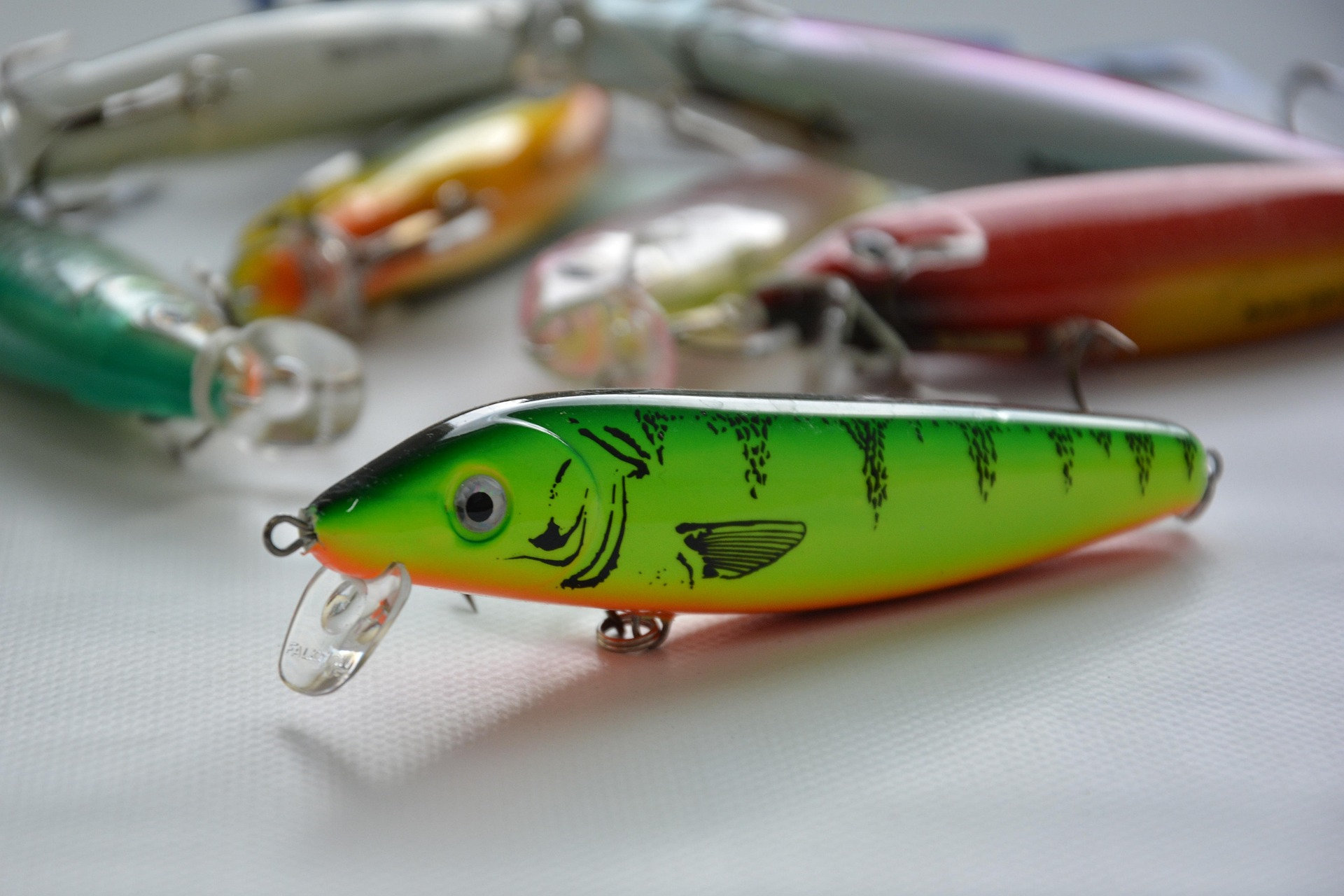
We chartered the GT-2 boat owned by Pak Adhek. Our first destination was the very spot where Pak Ismeth had landed a 72 kg dogtooth tuna using a jig handcrafted by Pak Adhek called the Seahorse 500 gram.
If you were to visit this spot yourself, you might find it hard to believe—it lies only half an hour from Bali’s shoreline, with rows of buildings clearly visible from the sea. Besides record-sized dogtooth tuna, Bali waters also host a famous location called Batu Aba, where an Indonesian angler once defeated a 28 kg Spanish mackerel using popping techniques.
If you study Bali’s map, you will notice how close it lies to the deep Indo-Pacific trench. Its geographical structure resembles that of the Maldives—just a few nautical miles offshore, the depth plunges dramatically from 10 meters to thousands of meters. Thus, the presence of amberjack and dogtooth tuna along its coast is hardly surprising.
The nearshore ground discovered by Pak Adhek is expansive, but the rewards there are often unpredictable. For that reason, he named it Crazy Point. On a lucky day, amberjack or dogtooth tuna aggressively strike jigs; on other days, not a single strike occurs—even if your arms nearly give out from jigging.
Upon our arrival, Crazy Point greeted us modestly. Only two amberjack paid us a visit before we moved on to Batu Aba, a location highly favored by Japanese GT popping enthusiasts.
Batu Aba
Batu Aba lies near the island known as Nusa Lembongan. In the local language, “nusa” means “small island.” Batu Aba is a shallow reef approximately 10 meters deep and about the size of a football field. When currents sweep across this shallow area, they intensify and crash into high waves similar to those around Komodo Island. Around these rocky islets, GT roam actively.
However, this spot is not consistently “hot.” Typically, Pak Adhek brings his clients here during low tide when currents are strong. When we arrived, the current was mild. Yet as soon as I cast a Gecko popper crafted by Pak Adhek, a GT struck after just two pops. The surge of a GT living in fast currents is truly electrifying. Our poppers were hit twice more afterward.
Since the current and results were unsatisfactory, Pak Adhek asked us to stop popping so he could take us to a jigging ground in a bay on Lembongan Island.
The Fierce Battle at Blue Corner
The calm bay did not appear suitable for popping. A fishing village and traditional boats were clearly visible along the shoreline. One would assume such a place would not be particularly lively.
But within two hours of jigging, the five of us could hardly believe what unfolded. This was Blue Corner—a truly extraordinary spot.
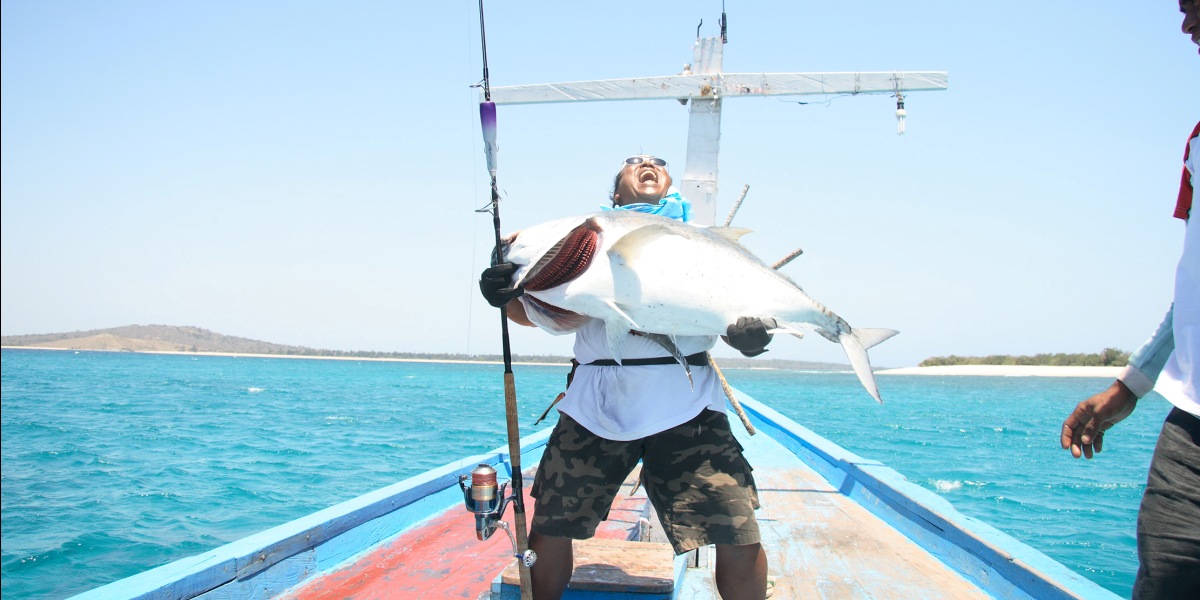
Ah Fatt and Phang dropped their metal jigs beyond 100 meters. The moment they closed the bail arms of their Shimano Stella 20000 reels, they were immediately assaulted by powerful adversaries beyond expectation. At first, we assumed both had hooked amberjack due to the similar runs. However, when Ah Fatt’s fish stopped diving while Phang’s reel continued screaming, it became clear that two separate giants were below.
Ah Fatt relied on his Seven Sea Tunamania jigging rod, but only half his line remained on the spool. Suddenly, the once-tight line went slack. Disappointment was evident on his face. The jig remained intact, and the Gamakatsu hook was still perfect—likely having torn free under immense pressure.
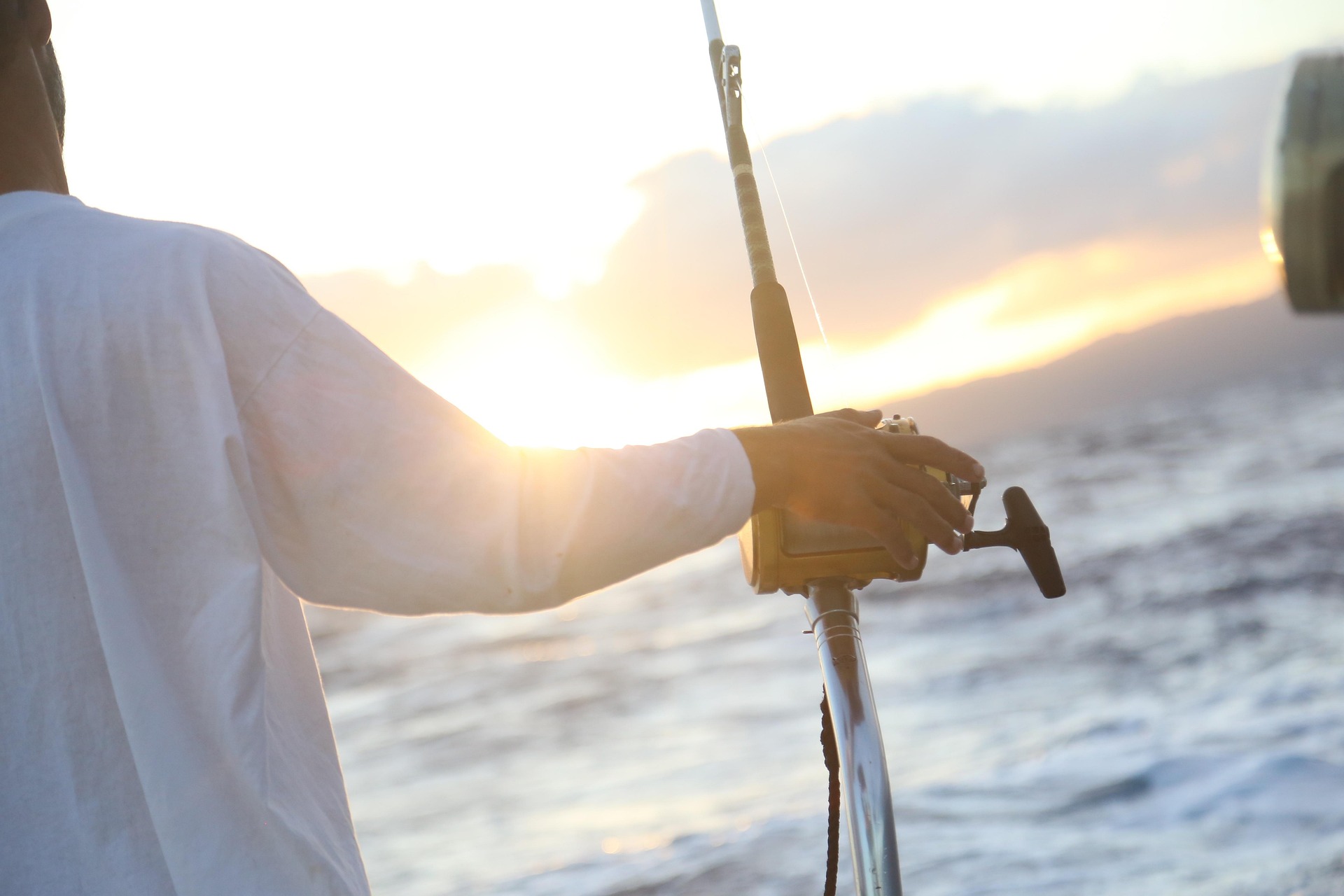
All hopes now rested on Phang. Despite using a Zenaq Fokeeto PE 8 rod and setting the drag to 10 kg, the fish refused to yield. A harness was fitted to ease the strain, but eventually, he had to sit down—using a Coleman cooler as an improvised “fighting chair.”
Pak Adhek then took over. Even with his experience battling giant GT, employing forward-and-reverse techniques, the more line he retrieved, the more was pulled out again. The giant circled stubbornly at depth and refused to surface. Eventually, he surrendered and asked Phang’s permission to cut the line. Once Phang nodded, Pak Adhek locked the spool and pulled until the 65-pound Power Pro braid snapped explosively.
A Grueling Test
No one could determine what species the mysterious giant was. It was unlikely to be a 70 kg dogtooth tuna—the creature showed no sign of fatigue even after 40 minutes of battle. Perhaps it was a shark.
Soon after, another giant struck Kuan’s jig. Line poured out instantly, and before he could respond, it snapped.
Then it was my turn.
We were jigging at 90 meters. As I dropped my 420-gram Jig Ace, I noticed more than 100 meters of line had spooled out without touching bottom. Strange—was it drifting into deeper waters? Suddenly, I realized the spool was spinning rapidly. The fish must have taken the jig unnoticed. I locked the reel, and immediately an extraordinary force jolted my Tenryu Grand Marshall PE 6 rod.
The fish’s power was overwhelming. I struggled before finally securing the rod butt into the fighting belt. I knew the giant was raging below—and my jig was rigged with two hooks, making escape unlikely.
I increased the drag further. Still, the fish dominated. I could only brace the rod against the boat’s edge. To my disbelief, even under maximum pressure, the giant continued swimming relentlessly. My 500 meters of 65-pound Power Pro line disappeared rapidly. Only a few wraps remained before the spool base—and then it exploded.
What a monster.
We were defeated without knowing what creature had humbled us. Every angler dreams of conquering record-breaking fish like amberjack, dogtooth tuna, or GT weighing 30–50 kg. Yet rarely do we ask whether we are truly capable of landing them. In jigging, fate plays an undeniable role.
A Strange Omen
On December 26, Aceh was struck by a devastating tsunami. Unaware of the impending disaster, we had gone out early that morning, as dawn popping is often more productive.
That morning at Batu Aba, the current was strong. Agus positioned the boat as we did in Komodo, allowing it to drift while we cast poppers along both sides of the reef. Strangely, GT showed little interest. A few strikes occurred but did not hook up—it seemed more like they were driving us away than feeding.
After lunch, we returned to Blue Corner—the previous day’s terrifying hotspot. This time, it was eerily silent.
Later, as we crossed the Badung Strait toward Crazy Point, sudden two-meter waves emerged unexpectedly. Our small boat rocked violently. We assumed it was normal—Bali is famous for its surf.
Only upon returning to the hotel and watching television did we learn that Banda Aceh had been devastated by a massive tsunami triggered by an 8.9-magnitude earthquake. Though far from us, it occurred in the same ocean.
We were fortunate.
Pak Adhek later recalled how unusual it was for Blue Corner to erupt with giant fish activity. Japanese anglers—coming from a country familiar with earthquakes—had once mentioned that certain fishing grounds sometimes overflow with fish before seismic events.
Was the strange phenomenon at Blue Corner connected to the tsunami?
And what about the sudden waves in the Badung Strait—could they have been distant tremors from Aceh?
Whatever the case, natural disasters are beyond human prediction—just as unpredictable as the outcome of our fishing endeavors.
— SIRIP

Adhek Amerta
About AuthorI am a professional fishing guide, a pioneer of popping techniques, and one of Indonesia’s leading sport fishing enthusiasts based in Bali. I also actively share fishing tips and techniques through social media and my personal blog.