News Details
Jogging with Jigging
- Adhek Amerta
- December 4, 2005
Manado holds a very profound meaning for me when it comes to activities at sea. In 1985, I fell in love with scuba diving after discovering the underwater world through dives in Bunaken. In 2004, I developed a passion for jigging after experiencing a powerful strikeof an unknown fish in the waters around Batu Kapal, Bitung.
My experience in Bitung led me to the GT-1 vessel and Captain Adhek in Denpasar, Bali, who regularly catered to jigging and casting anglers. The boat earned recognition for taking HM Ismeth to achieve a Formasi record for a 71 kg Dogtooth Tuna caught using the jigging method.
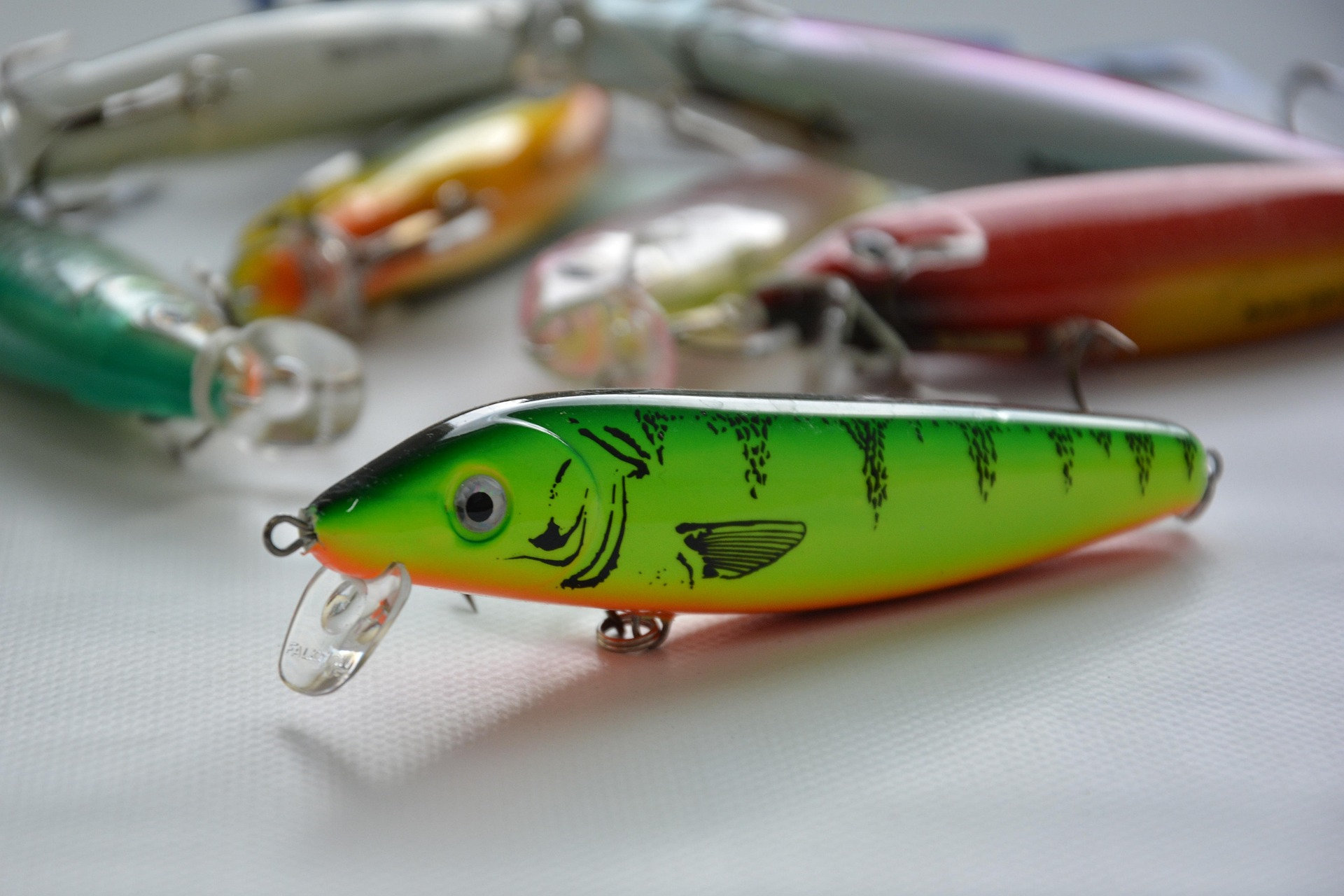
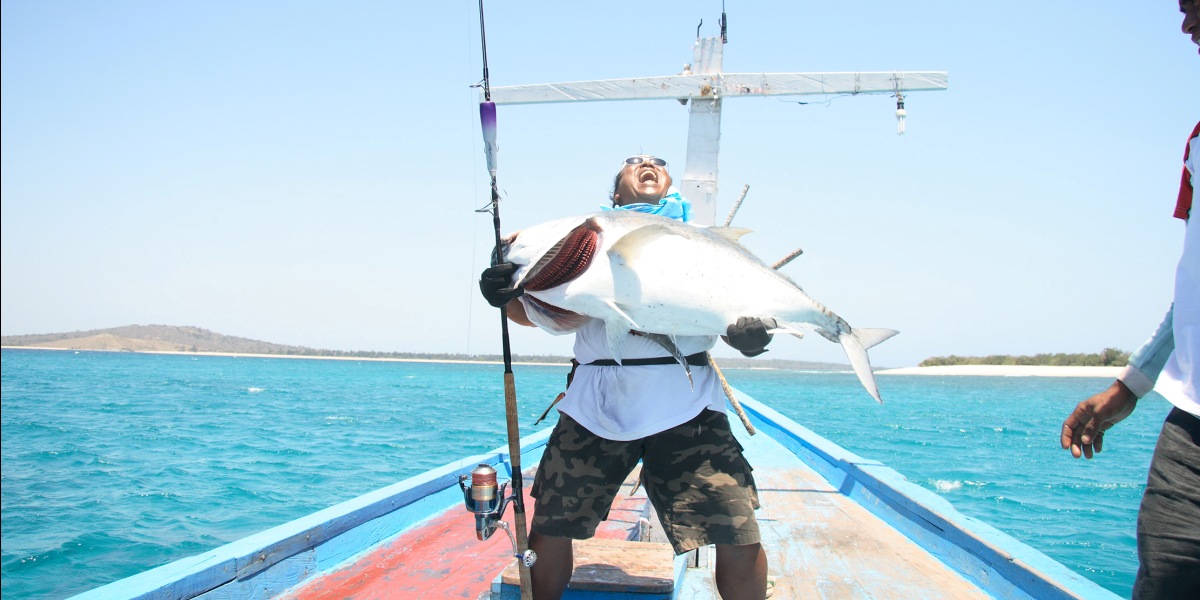
It was never my intention to pursue records. Rather, I found myself daydreaming about witnessing a Giant Trevally explode onto a popper that we retrieve in rhythmic pulls, or feeling the uncontrollable surge that bends the rod while working a metal jig.
On August 22, 2004, the southeast sea breeze felt cool and dry, while the bright sun was not overly harsh. Waves of around one meter did little to disturb the progress of the vessel, powered by twin 200 HP engines that purred smoothly clearly well maintained, even if no longer brand new.
The boat was specifically designed for jigging and casting. Its spacious cockpit and padded waist-high rail at the bow allowed four anglers to cast simultaneously using 2.4-meter rods. Unfortunately, the cockpit transom lacked padding, so knees braced against heavy fish runs could easily get scraped.
There were four of us on board: HM Ismeth, Wahyu and Rudy from the Marlin Fishing Club Surabaya, and myself. Each of us had prepared specialized jigging and casting rods, complete with poppers and metal jigs though, in truth, GT-1 already provided sufficient equipment for the purpose.
Ismeth shared a special connection with GT-1, having previously broken the Formasi record in the 37 kg line class and the unrestricted class for a 71 kg Dogtooth Tuna on September 17, 2002.
Wahyu and Rudy, brothers who were always in sync, shared everything even their drinks. If the elder brother reached for Pocari Sweat from their supply drum, the younger would drink from the same container, despite the GT-1 cooler being stocked with ample canned beverages Pocari Sweat, Coca-Cola, Sprite, Fanta, and mineral water. The elder patiently instructed his younger brother on proper jigging technique: “Medun gelung, medun gelung sing banter” meaning to lower the rod while reeling quickly, lift it, and repeat the motion rapidly and rhythmically.
As it was my first serious attempt at jigging, I quietly observed and imitated the techniques. I also watched Agus, Captain Adhek’s assistant. His style resembled Wahyu’s short, quick strokes. Occasionally, when a longer stroke was required, he slightly bent his knees as he lowered the rod and straightened them again while lifting it. The rhythm was therefore not always short and fast; sometimes it became longer but remained quick and controlled.
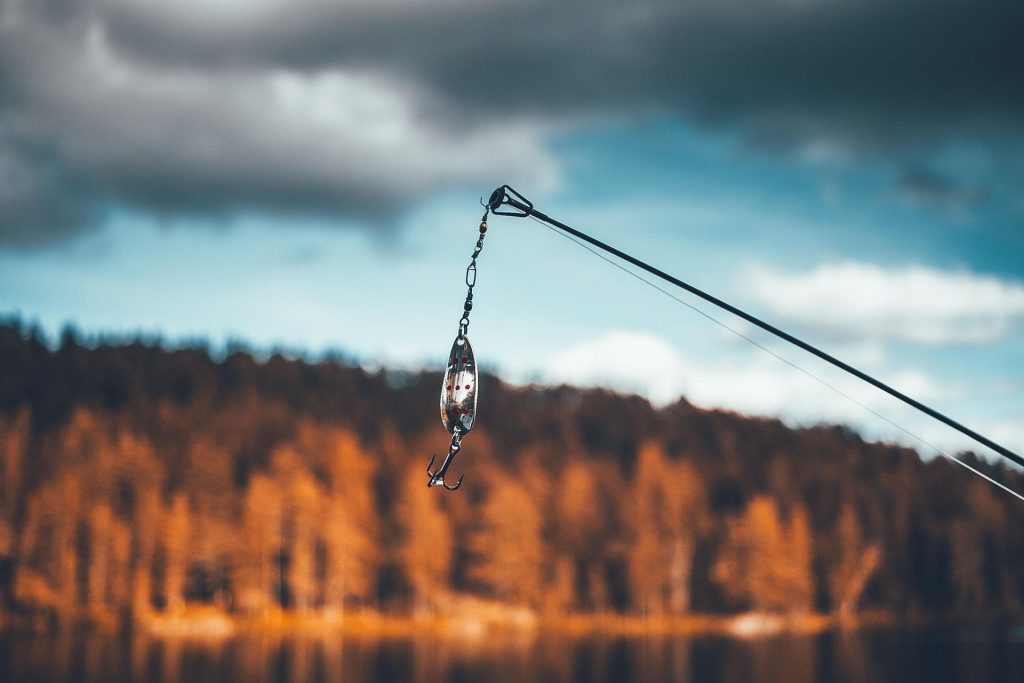
Working a metal jig is no easy task for the unaccustomed. The short, rapid strokes combined with rhythmic reeling may look simple, but they are difficult to replicate. Adequate practice is essential before a jig can effectively entice a fish. When fish are not in the mood to feed, only creative and varied jigging rhythms can produce a strike.
That day, the first strike came from Agus, though the fish was modest a 2–3 kg Lencam. The second strike was similarly small, a Kurisi Bali. I was given the honor of landing the fish, perhaps out of sympathy as the captain saw me struggling for breath while working a 500-gram metal jig without results. It was a decent warm-up before the real battle began.
The true action unfolded at another location known as Crazy Point a name given by loyal Japanese clients of GT-1, who were astonished by the number of strikes when the spot was first discovered. The fish there were all large Amberjack and Dogtooth Tuna.
The first, second, third, and fourth strikes happened almost simultaneously not double strikes, but quadruple strikes. Wahyu hooked up first, followed by Rudy, then Ismeth, and finally myself. One by one, the fish were landed, photographed, and released.
By the end of the afternoon, total strikes reached 27, with 11 fish retained and 16 released.
The current patterns that day were challenging. The current flowed from the north, while wind and waves came from the southeast, causing the boat to drift against the current. Consequently, metal jigs needed sufficient weight to reach the bottom hot spots quickly.
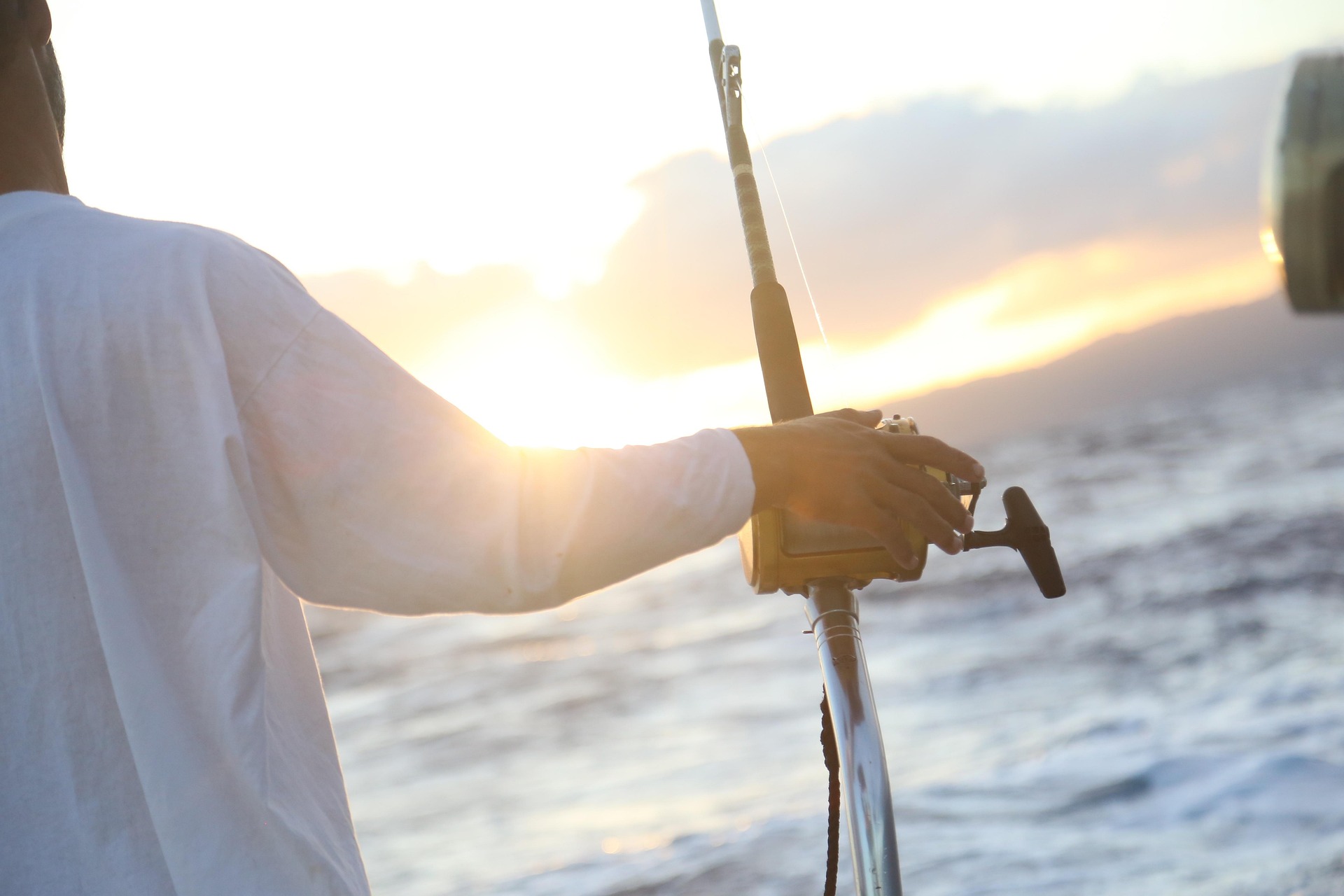
The lines used were non-elastic braided lines, such as Spectra or what some anglers refer to as PE braid. These lines have significantly smaller diameters than conventional monofilament, reducing water resistance. As a result, rod movements during jigging are transmitted directly to the metal jig without being dampened by elasticity.
For Wahyu and Rudy, whose muscles were still youthful and strong, fast-action rods with minimal flexibility were ideal. Such rods allowed faster jigging motions and better control over rhythm and patterns. Short, rapid strokes could quickly transition into longer, fast strokes or a combination of both. For Ismeth and especially for myself, our jigging variations were more limited. However, there was one technique from Ismeth that I had yet to master the “the jigger rap.”
The movement is simple: while jigging and sensing a strike, without breaking the rhythm of “medun-gulung-angkat”, you sharply jerk the rod upward by jumping slightly (not into the sea, of course). The purpose is to ensure a solid hook-up. Observed closely, the sequence from rhythmic jigging to the upward jerk resembles someone swinging their arms and shoulders to build momentum before leaping upward at the moment the strike occurs.
It is therefore accurate to say that jigging, alongside casting, is true sportfishing a recreational pursuit that is also athletic. Jigging demands stamina and muscular coordination developed through practice.
Maintaining balance while standing on a rocking boat, working the rod, and reeling in a controlled pattern is no easy task. Not to mention the effort required to pump the rod when fighting a fish. It is almost comparable but far more enjoyable than lifting weights at the gym.

Adhek Amerta
About AuthorI am a professional fishing guide, a pioneer of popping techniques, and one of Indonesia’s leading sport fishing enthusiasts based in Bali. I also actively share fishing tips and techniques through social media and my personal blog.