News Details
The Rising Popularity of Popping Fishing in Indonesia
- Adhek Amerta
- December 2, 2005
In recent years, popping has become increasingly popular among fishing enthusiasts across Indonesia. The growing excitement surrounding this technique is the main focus of this edition of Mancing Mania (MM).
Long before popping was introduced to Indonesia, the country was already familiar with various traditional and modern fishing techniques. These ranged from kite fishing, feather lures, bottom fishing, and koncer fishing, to trolling (tonda).
To trace when popping first gained traction in Indonesia, MM met with Adhek Amerta from Bali, Jhon Hambali, and Adrianus from Jakarta—three names frequently mentioned as pioneers and passionate advocates of popping in the country.
The Meaning of Popping
Before delving further, a fundamental question arises: what exactly is popping?
When MM sought clarification, Adrianus Bratanata explained:
“The term ‘popping’ comes from the sound produced by the popper lure when it is retrieved. As it is pulled by the angler, it creates a ‘pop, pop, pop’ sound. That distinctive sound led fishing enthusiasts to call the technique ‘popping.’”
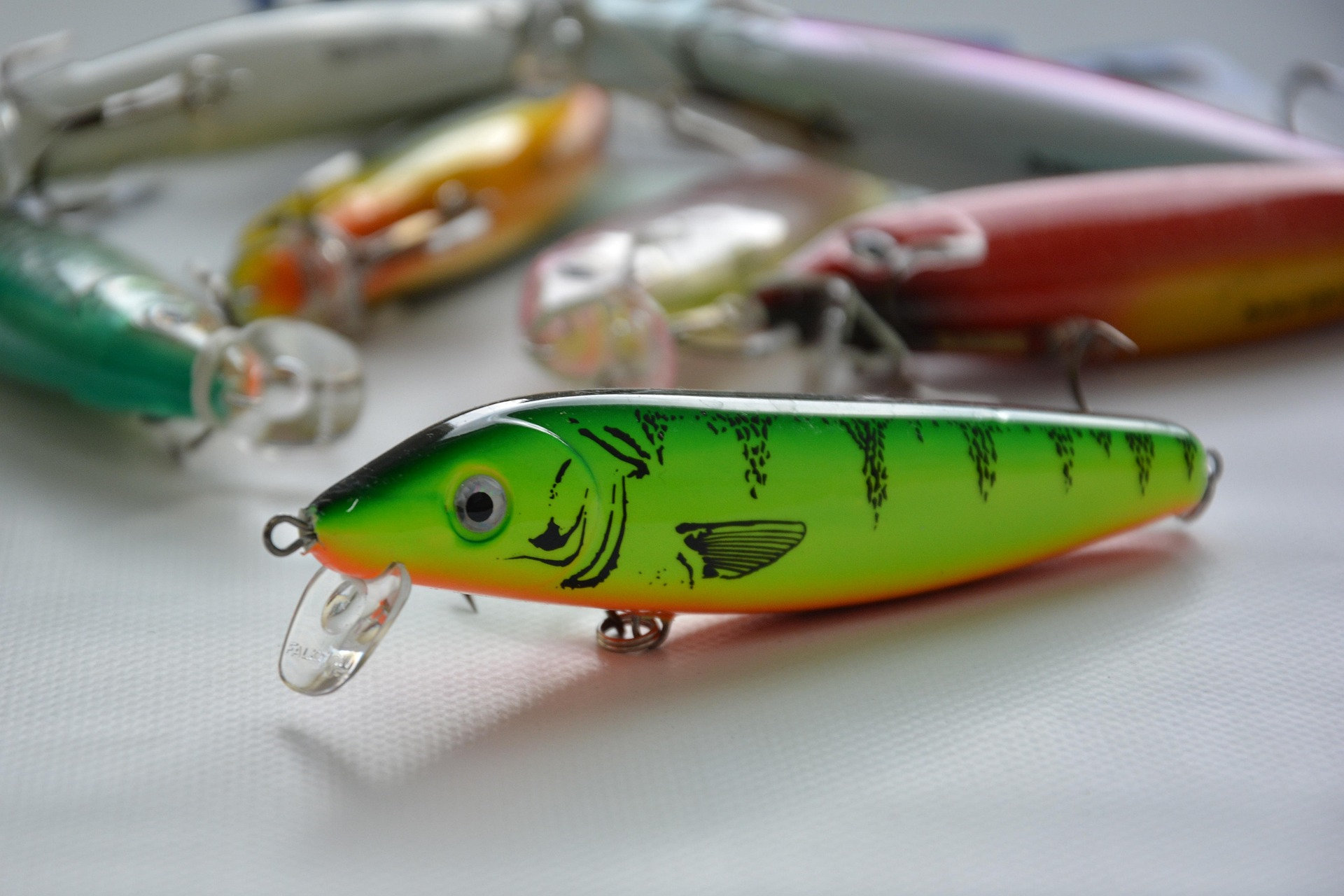
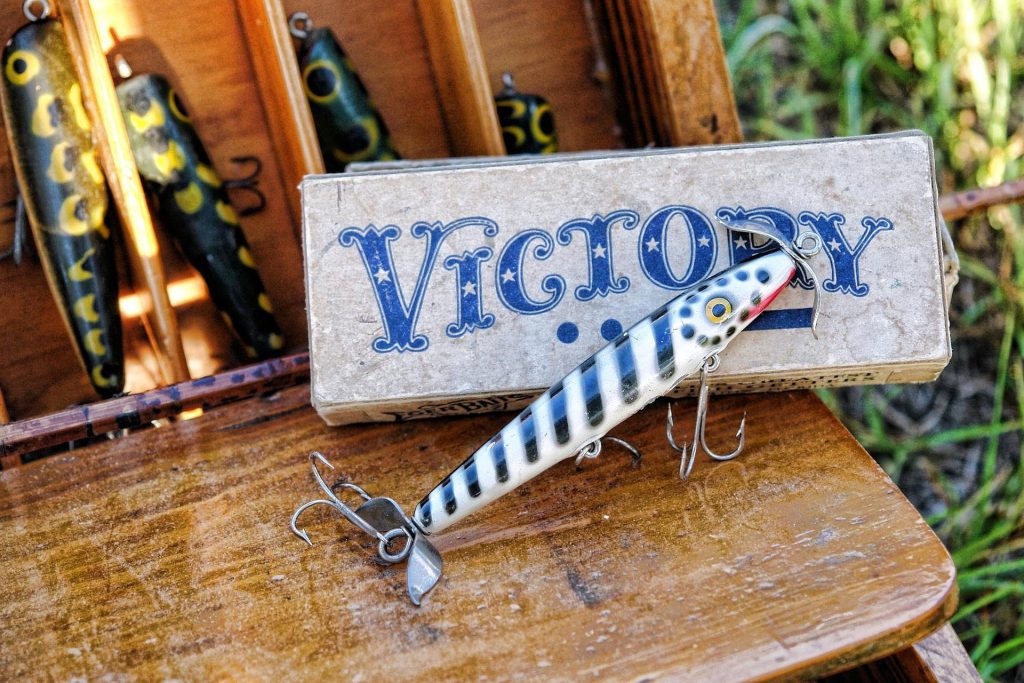
Adrianus further elaborated that popping refers to fishing using a popper lure. A popper is an artificial lure typically made of wood. The method involves casting the lure and then retrieving it to create surface disturbance and sound.
In terms of shape, poppers resemble trolling lures such as the kona head. However, while trolling lures are designed to be pulled behind a moving boat, poppers are specifically intended for casting techniques.
The History of Popping in Indonesia
There is no definitive record of when popping was first introduced to Indonesia. However, several anglers widely acknowledge three pioneers of popping in the country: Adhek Amerta (Bali), Jhon Hambali, and Munadi.
According to Adrianus, these individuals had been practicing popping for years before the broader fishing community became familiar with the technique.
When contacted by MM, Adhek Amerta explained that popping originated in Australia. Interestingly, although it began there, the technique flourished more rapidly in Japan, where it evolved alongside the development of specialized equipment.
Popping did not immediately gain popularity in Indonesia. However, as many Japanese anglers frequently fished in Indonesian waters, the technique gradually became known among local anglers.
Adhek Amerta began practicing popping approximately 12 years ago, largely due to his experience guiding Japanese anglers in Bali. Through frequent interactions and fishing trips with them, he developed a deep appreciation for the technique. His passion eventually led him to design and produce his own popper lures, which are now distributed internationally.
Despite his early involvement, popping did not expand rapidly in Indonesia at first. Around 2001–2003, discussions about popping began appearing in online fishing mailing lists. In 2003, Indonesian anglers organized a joint trip with Thai anglers to Komodo Island to practice popping. This trip provided firsthand exposure to the true excitement and sporting nature of the technique.
In April 2004, seven Indonesian anglers organized another dedicated popping trip to Komodo Island. That expedition significantly broadened their perspective and demonstrated that popping was not only thrilling but also physically demanding and highly sporting.
Rapid Growth and Recognition
Stories of successful catches and adrenaline-filled experiences quickly spread among fishing communities. As enthusiasm grew, tackle shops began stocking specialized popping equipment, including rods, lines, reels, and popper lures.
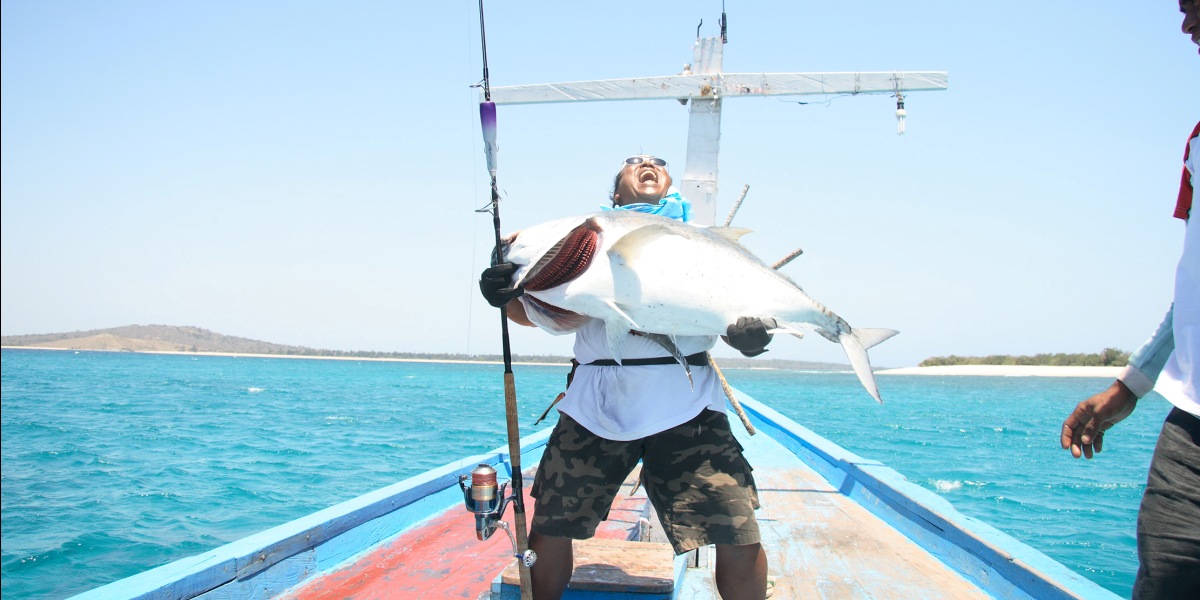
The technique gained further traction among Jakarta anglers, with many testing their skills in areas such as Binuangeun. Reports of successfully landing Giant Trevally (GT), locally known as kuwe gerong, became increasingly common. Soon, anglers began targeting other species with popping techniques, including tuna, achieving similarly exciting results.
A significant milestone in the recognition of popping occurred during the Berkah III Tournament held on March 19–20, 2005. While many teams relied on bottom fishing and trolling with limited success, teams that exclusively used popping techniques achieved remarkable results.
The fishyforum.com team, represented by Joss Utoro, secured first place with a Giant Trevally weighing 21.65 kg. Meanwhile, Team Mata Elang, represented by Wing, landed a 21.25 kg GT. These achievements further elevated the profile of popping within Indonesia’s fishing community.
From that point onward, popping became increasingly widespread and respected.
A Sport, Not Just a Hobby
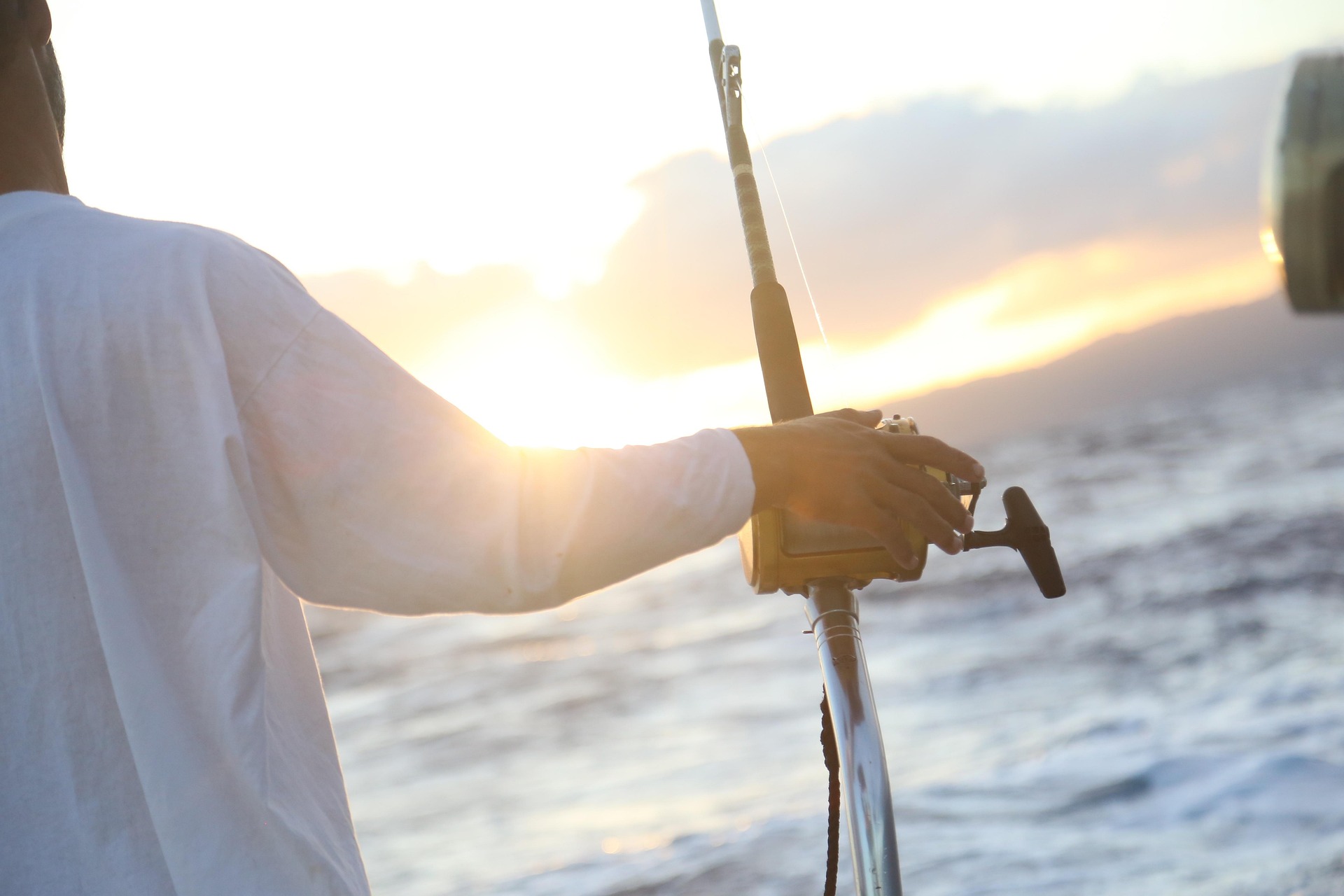
The rise of popping has helped dispel the misconception that fishing is merely a passive or leisurely activity. On the contrary, popping is physically demanding and requires strength, endurance, and technical skill.
Today, popping stands not only as a popular fishing method but also as a sport that embodies challenge, discipline, and adrenaline—continuing to captivate anglers throughout Indonesia and beyond.

Adhek Amerta
About AuthorI am a professional fishing guide, a pioneer of popping techniques, and one of Indonesia’s leading sport fishing enthusiasts based in Bali. I also actively share fishing tips and techniques through social media and my personal blog.